Want to help children eat better? Involve them in food and fun.


Are you challenged with helping children eat better?
How we feed children and how they experience food is just as important as what we feed them.
In this blog series, I am sharing the key principles from materials I created with a Team Nutrition grant titled RECIPE for Growing Healthy Children. Now that these materials are no longer in print, this series makes this valuable content available again.
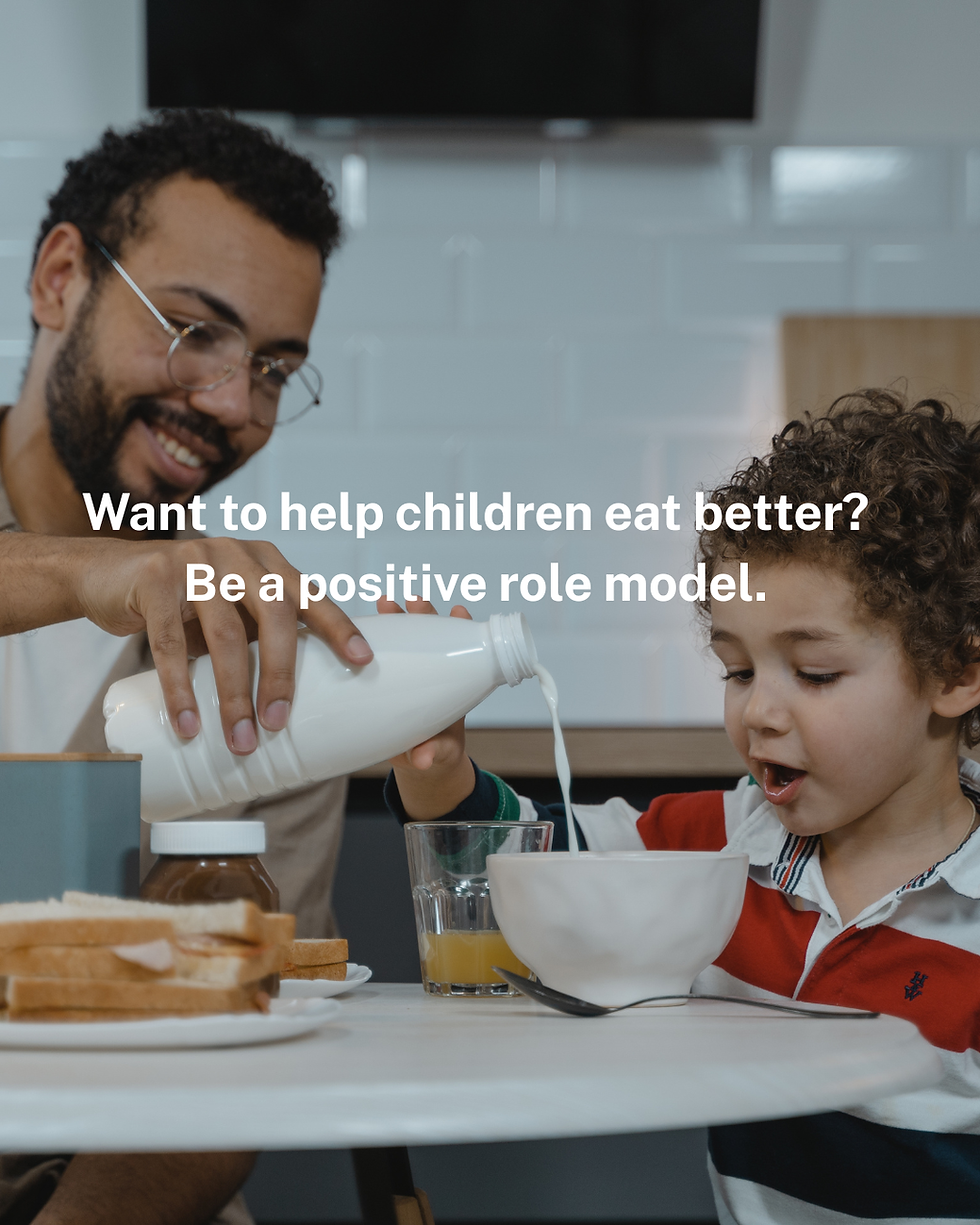
In the first post, we covered R, which stands for Role Model what we want children to be, say, and do.
In the second post, we covered E, which stands for a mealtime Environment that encourages children to practice healthy behaviors.
In the third post, we covered C, which stands for Create delicious and nutritious meals and snacks.
In this post, we will cover I, which stands for Involve children in food and fun. As the participant workbook introduces this section:
Young children have tremendous potential for establishing lifelong healthy eating habits when provided with positive and engaging learning experiences.
What follows shares key content from the Involve section of the training manual used in the workshops for childcare personnel.
How did we teach childcare providers to involve children in food and fun?
During this part of the workshop, we provided lunch to the participants, serving the same lunch foods that were demonstrated in the previous section. This allowed us to demonstrate family-style service and how to involve children by engaging them fully in the meal experience, which includes helping set the table, passing the food, serving themselves, and eating.
In the Environment section, we observed this in the video we watched. In this section, the childcare providers experienced that involvement for themselves. While eating, we discussed other ways to involve children at meals and in classroom experiences.
How can we talk with children at meals?
Involving children at meals includes more than just family-style service. It also includes talking about food during meals. The workshop participants practiced having a conversation about the foods they were eating using the questions listed below.
Remember: Meals are more than just about feeding; they’re also a time to learn. When children are trying something new, avoid asking children if they “like” a food; ask descriptive questions like these instead:
Describe what the foods look like – ask questions about the colors, the shapes, the sizes.
Identify what is in the food – What 3 fruits are in the salad? What vegetable is coleslaw made from? What vegetable is used to make the red sauce on the pizza pasta?
Describe other sensory qualities – smell, texture, sound, mouthfeel, etc.
Describe the flavor (NOT “Do you like it?” but rather, “What does it taste like?”) Can they describe sweet, sour, spicy, salty, etc.? Does it taste like something else that’s familiar?
Talk about flavor combinations. What foods might taste really good served with _______________? Talk about combining crunchy with soft, etc.
Talk about where the foods come from and how they are made.
Of course, conversations at meals should be about more than food. Consider other conversation starters that prompt good discussions with young children. For ideas, see this post: https://www.nutritioncommunicator.com/post/mealtime-conversations-show-you-care-and-make-your-family-stronger
What are other ways we can involve children with food and fun?
The second course of lunch at the workshop involved the participants in making foods that children can easily help prepare. This included tortilla-wrap sandwiches and baked sweet potato fries.
During this part of lunch, participants watched a video of young children engaged in several food preparation activities and food-related games. Groups then brainstormed other ways to incorporate food and nutrition activities with the children they serve.
Participants selected goals for involving the children in their childcare programs during meals and in additional activities. They were provided with copies of the “I Try New Foods” nutrition education lesson, which can be found on my resources page.
What’s coming next?
RECIPE is almost complete. P and E are yet to come. Check back next week!
“When we make play the foundation of learning, we teach the whole child.” ~ Vince Gowmon
If you liked this content, please share it.




Comments